

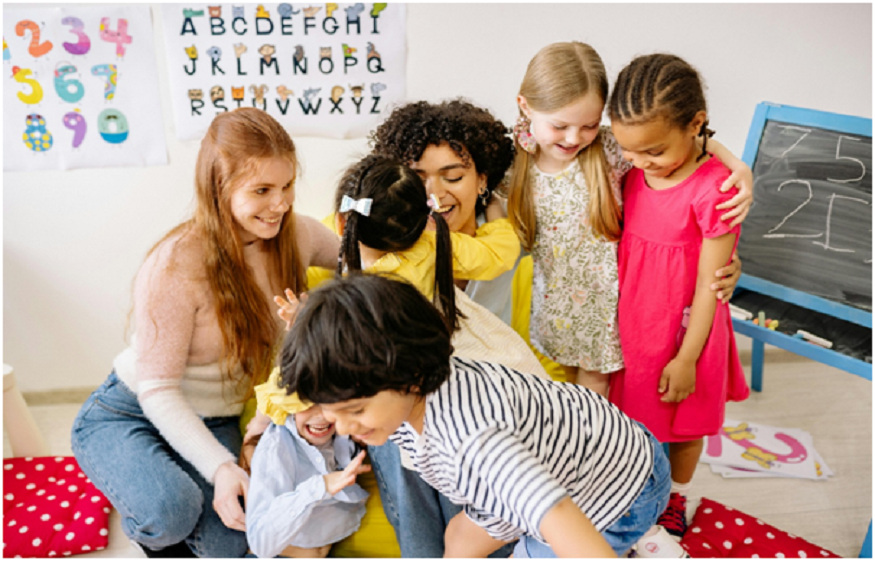
Every teacher knows that teaching goes far beyond delivering lessons, it’s about shaping attitudes, behaviours, and perspectives that stay with children for life. The classroom is where children first learn how to interact with others, manage emotions, respect differences, and see their place in the world. For teachers, understanding this deeper impact is essential to becoming truly effective educators.
This is where strong foundations in child development and classroom dynamics make a real difference, especially for teachers who have pursued courses like Early Childhood Education Care and Education course.
So how do schools and teachers together shape a child’s character and worldview, and how can educators strengthen their role in this process?
Let’s get to explore this blog post and find it out!
5 Ways Schools Shape a Child’s Character & Perception of the World
Schools influence how children understand relationships, values, and social behaviour through everyday experiences. These five key ways highlight how school environments quietly shape a child’s character and worldview.
1. Schools Teach Children How Society Works
School is often a child’s first structured social system outside the family. Here, children learn that their actions affect others and that shared spaces require cooperation.
Through daily routines, lining up, sharing materials, following rules, and taking turns, children begin to understand social order. They learn about fairness, consequences, responsibility, and accountability. These early experiences form the foundation of civic behaviour and help children understand how communities function in the real world.
2. Schools Influence Moral and Ethical Thinking
Ethics are not taught only through lessons, they are learned through lived experiences. How schools handle honesty, mistakes, discipline, and conflict strongly influences a child’s sense of right and wrong.
For example, when schools encourage honesty over punishment, children learn integrity. When kindness and respect are modelled and rewarded, children internalise empathy. These everyday moral cues shape a child’s ethical framework far more deeply than rules alone.
3. Schools Shape Emotional Intelligence
School environments provide constant opportunities for emotional learning. Children experience joy, frustration, disappointment, pride, and anxiety, often all in the same day.
Through guided interactions, children learn to:
- Identify emotions
- Manage reactions
- Cope with setbacks
- Develop resilience
A supportive school helps children understand that emotions are normal and manageable. Over time, this builds emotional intelligence, which is essential for healthy relationships and self-confidence.
4. Exposure to Diversity Broadens a Child’s Worldview
Schools bring together children from different backgrounds, cultures, languages, abilities, and belief systems. This exposure helps children understand that the world is diverse—and that differences are not threats.
When diversity is celebrated, children learn acceptance, inclusivity, and respect. They become more open-minded and less judgmental. Early exposure to diversity also reduces fear of the unfamiliar and nurtures empathy that extends beyond the classroom.
5. School Culture Shapes Confidence and Identity
A child’s self-image is deeply influenced by how they are treated at school. Encouraging environments help children feel valued and capable, while overly rigid or comparison-driven settings can create self-doubt.
When schools focus on effort, growth, and individuality, children develop confidence and a strong sense of identity. They learn that their voice matters and that they have something valuable to contribute to the world.
6 Ways Teachers Play a Powerful Role in Shaping Children
Teachers have a lasting impact beyond academics, shaping how children think, feel, and interact with others. These six roles show how everyday teacher actions influence a child’s development and perception of the world.
1. Teachers Act as Everyday Role Models
Children observe teachers closely, not just what they teach, but how they behave. Tone of voice, patience, fairness, and empathy all send powerful messages.
Teachers model how to handle stress, resolve conflict, and treat others with respect. These behaviours silently shape how children respond to people and situations beyond school.
2. Teacher Expectations Shape Self-Belief
What teachers believe about a child often becomes what the child believes about themselves. High expectations paired with support encourage confidence, persistence, and motivation.
When teachers communicate belief in a child’s abilities, children are more likely to take risks, try harder, and develop a growth mindset.
3. Teachers Create Safe & Stress-free Learning Spaces
The emotional tone of a classroom affects how children experience learning. A supportive teacher creates a space where children feel safe to ask questions, make mistakes, and express ideas.
In contrast, fear-based environments can raise anxiety and suppress curiosity. Teachers play a critical role in determining whether learning feels empowering or intimidating.
4. Teachers Guide Social Behaviour
Teachers help children navigate friendships, disagreements, and collaboration. Through guidance and example, children learn how to communicate respectfully, resolve conflicts, and work as part of a team.
These social skills become essential tools for life beyond school—at home, in the workplace, and in society.
5. Teachers Encourage Critical Thinking
By asking open-ended questions and encouraging discussion, teachers help children think beyond memorisation. Children learn to analyse situations, consider consequences, and form opinions.
This shapes how children interpret the world, helping them become thoughtful and reflective individuals rather than passive followers.
6. Teachers Shape a Child’s Relationship with Learning
Perhaps most importantly, teachers influence how children feel about learning itself. When learning is engaging and meaningful, children develop curiosity and intrinsic motivation.
When learning feels pressured or fear-driven, children may associate education with stress. Teachers determine whether learning becomes a lifelong joy or a lifelong struggle.
Why Professional Teacher Preparation Matters
Understanding child development, emotional needs, and classroom dynamics is not instinctive, it requires training. Institutions such as the Asian College of Teachers(ACT) emphasise preparing educators to understand children holistically, not just academically.
When teachers are trained to recognise emotional cues and developmental needs, classrooms become spaces where character development happens alongside learning.
Long-Term Impact of Thoughtful Schooling
Schools that focus on values, emotional intelligence, and inclusivity prepare children for real life. These children grow into adults who can adapt, empathise, collaborate, and lead responsibly.
Educators trained through ACT bring these principles into everyday teaching, shaping environments where children learn how to navigate the world with confidence and compassion.
Final Thoughts
Teaching is not just about guiding academic growth; it is about influencing how children think, feel, and engage with the world around them. When teachers understand the emotional, social, and behavioural impact of schooling, they are better equipped to create learning environments that nurture confidence, empathy, and resilience. These skills allow educators to respond thoughtfully to children’s needs and support their holistic development.
Teachers who have developed this awareness by pursuing courses like Early Childhood Education Care and Education, it strengthens their classroom practice and deepen professional confidence. By aligning teaching strategies with child-centred principles, educators can positively influence character development while supporting meaningful learning outcomes.
Frequently Asked Questions (FAQs)
1. Why is school important for a child’s character development?
Schools help children develop values like empathy, responsibility, discipline, and cooperation through daily interactions and routines.
2. How do teachers influence a child’s perception of the world?
Teachers model behaviour, encourage critical thinking, and create learning environments that shape how children view authority, fairness, and diversity.
3. Can school environment affect a child’s confidence?
Yes. Supportive and inclusive school environments help children build self-esteem, confidence, and a positive self-identity.
4. How does exposure to diversity in schools help children?
It helps children develop acceptance, empathy, and openness by interacting with peers from different backgrounds and abilities.
5. Do early school experiences have long-term impact?
Absolutely. Early school experiences influence emotional intelligence, social behaviour, and attitudes that often last into adulthood.
6. What role does emotional learning play in schools?
Emotional learning helps children understand and manage feelings, build relationships, and respond positively to challenges.