

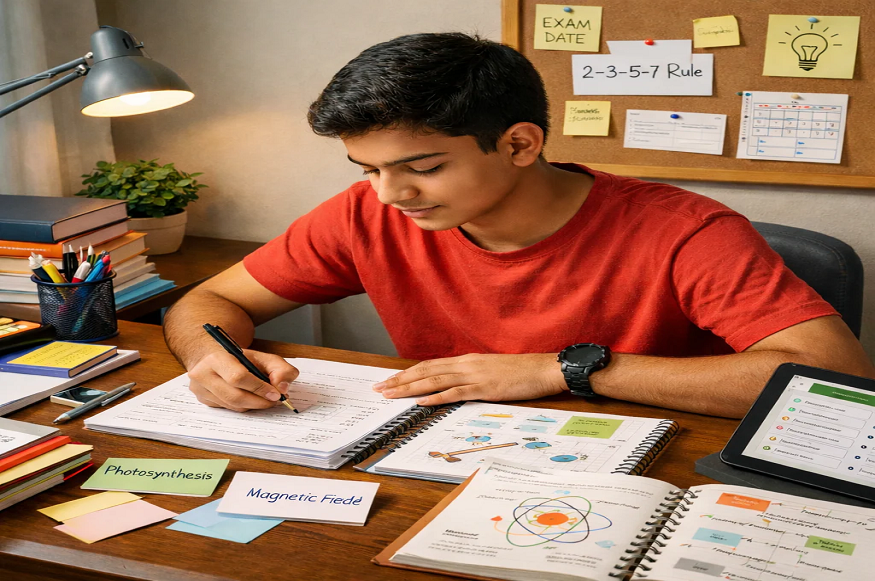
Education is changing faster than ever. What worked a decade ago is no longer enough for today’s students. With new technologies, shifting job markets, and global competition, students must adapt quickly to stay relevant.
Modern education is not just about textbooks and exams. It focuses on skills, flexibility, and real-world application. Students who understand these changes and prepare accordingly will have a strong advantage in their careers.
The Shift from Traditional to Modern Education
From Memorization to Skill Development
Earlier, education focused heavily on memorizing facts and passing exams. Today, the focus has shifted to understanding concepts and applying knowledge.
Even when preparing for exams, students are moving beyond just studying commonly repeated questions and instead focusing on understanding the “why” behind concepts. This approach helps them perform better in both academics and real-life situations.
Rise of Digital Learning
Technology has transformed how students learn. Online platforms, video lessons, and virtual classrooms have made education more accessible than ever.
Read More: 12 ESL Warm-Up Activities for English Classes at Every
Students can now learn from global experts, explore different subjects, and study at their own pace. This flexibility helps them build deeper understanding and stay ahead.
Key Skills Modern Students Need
1. Critical Thinking and Problem Solving
In today’s world, information is everywhere. What matters is how students use it.
Critical thinking helps students analyze situations, ask the right questions, and make better decisions. Problem-solving skills allow them to handle real-life challenges effectively.
2. Digital Literacy
Being comfortable with technology is no longer optional. Students must know how to use digital tools, research online, and evaluate information.
Digital literacy also includes understanding online safety and using technology responsibly.
3. Communication Skills
Strong communication skills are essential for success in any field.
Students need to express their ideas clearly, whether in writing or speaking. Good communication also helps in teamwork and collaboration.
4. Adaptability and Flexibility
The job market is constantly evolving. New roles are emerging, and old ones are disappearing.
Students must be open to change and willing to learn new skills. Adaptability helps them stay relevant in a fast-changing world.
5. Time Management and Self-Discipline
With online learning and flexible schedules, students need to manage their time effectively.
Self-discipline ensures they stay focused, meet deadlines, and maintain consistent progress.
The Role of Technology in Modern Education
Personalized Learning
Technology allows students to learn at their own pace. Personalized learning platforms adapt to individual strengths and weaknesses.
Read More: The Digital Gold Rush: Why Cyber Security Talent Will
This helps students focus on areas where they need improvement and achieve better results.
Access to Global Resources
Students are no longer limited to local resources. They can access courses, tutorials, and study materials from around the world.
This exposure helps them gain diverse perspectives and stay competitive globally.
Interactive Learning Experiences
Modern tools like simulations, videos, and quizzes make learning more engaging.
Interactive learning improves understanding and helps students retain information better.
Importance of Lifelong Learning
Learning Beyond the Classroom
Education does not stop after school or college. Continuous learning is essential for long-term success.
Students should develop the habit of learning new skills regularly, whether through courses, reading, or practical experience.
Keeping Up with Industry Trends
Industries are evolving rapidly due to technology and innovation.
Students who stay updated with trends in their field will have a competitive edge in the job market.
Practical Ways Students Can Stay Competitive
Build Real-World Skills
Students should focus on practical skills that employers value.
For example:
- Working on projects
- Internships or part-time jobs
- Participating in competitions or workshops
These experiences help students apply their knowledge and build confidence.
Use Online Learning Platforms
Online courses can help students learn new skills quickly.
They can explore areas like coding, marketing, design, or communication. This adds value to their profile and improves career readiness.
Develop a Growth Mindset
A growth mindset means believing that abilities can improve with effort.
Students should embrace challenges, learn from mistakes, and keep improving. This mindset is key to long-term success.
Network and Collaborate
Building connections is important in today’s world.
Students can connect with peers, mentors, and professionals through events, online communities, and social platforms. Collaboration opens up new opportunities.
The Changing Role of Teachers and Institutions
Teachers as Guides
Teachers are no longer just information providers. They act as mentors and guides.
They help students develop skills, encourage curiosity, and support independent learning.
Focus on Holistic Development
Modern education focuses on overall growth, not just academics.
Schools and colleges now emphasize:
- Emotional intelligence
- Teamwork
- Leadership skills
While exam preparation still matters, students often look at patterns like most repeated questions in the 10th board exams to guide revision, but success now depends equally on skill development.
Challenges in Modern Education
Information Overload
With so much information available, students can feel overwhelmed.
They need to learn how to filter relevant information and avoid distractions.
Lack of Focus
Digital tools can sometimes reduce attention span.
Students must develop focus and discipline to make the most of their learning time.
Access and Inequality
Not all students have equal access to technology and resources.
Bridging this gap is important to ensure everyone gets equal opportunities.
The Future of Education
Education will continue to evolve with advancements in technology.
Trends like artificial intelligence, virtual reality, and skill-based learning will shape the future.
Students who stay curious, adaptable, and proactive will thrive in this environment.
Conclusion
The evolution of education has created both opportunities and challenges for modern students. Success today is not just about academic knowledge but also about skills, adaptability, and continuous learning.
Students who focus on building relevant skills, using technology wisely, and staying open to learning will remain competitive. By understanding these changes and taking proactive steps, they can prepare themselves for a successful future in an ever-changing world.